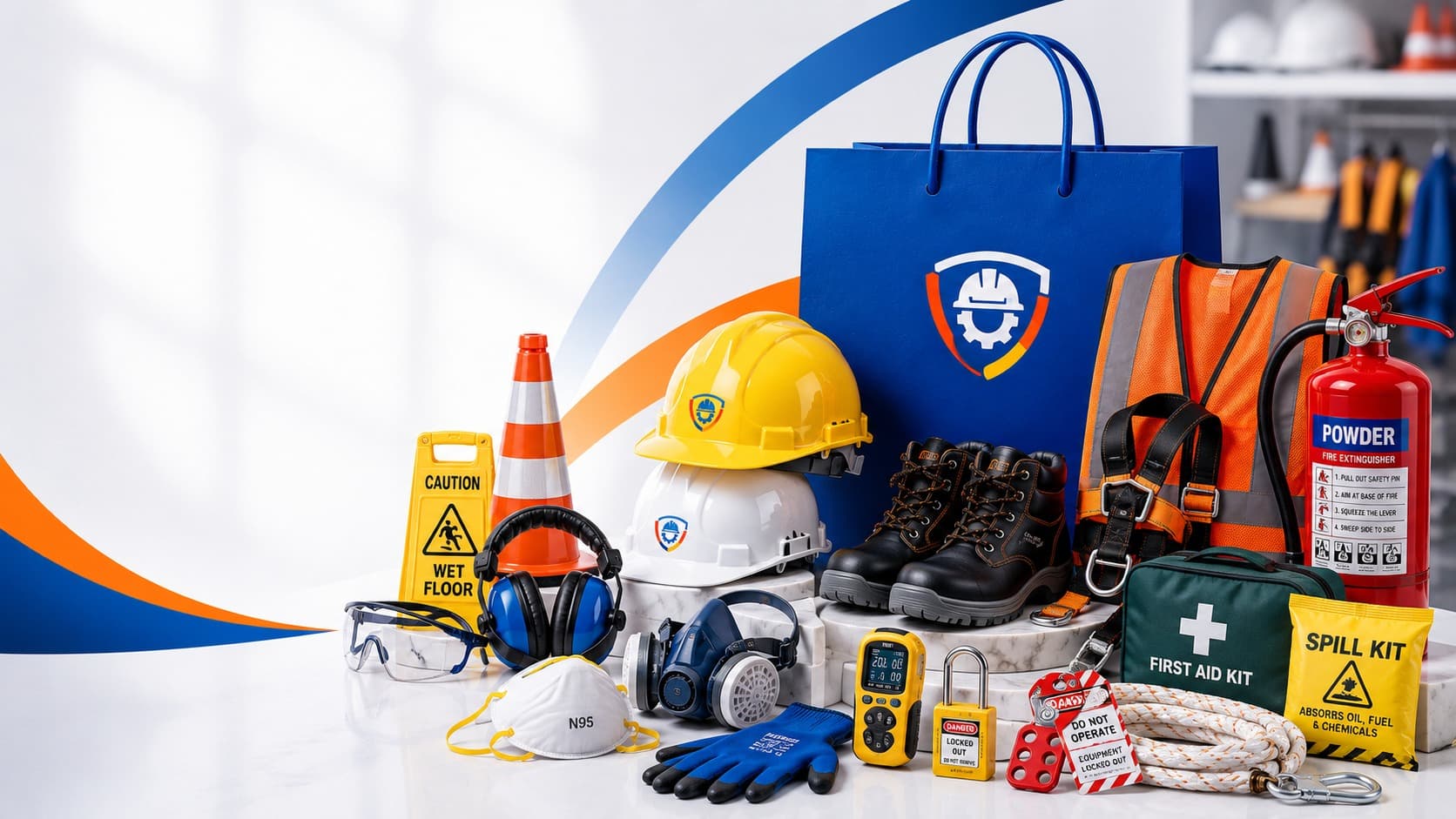
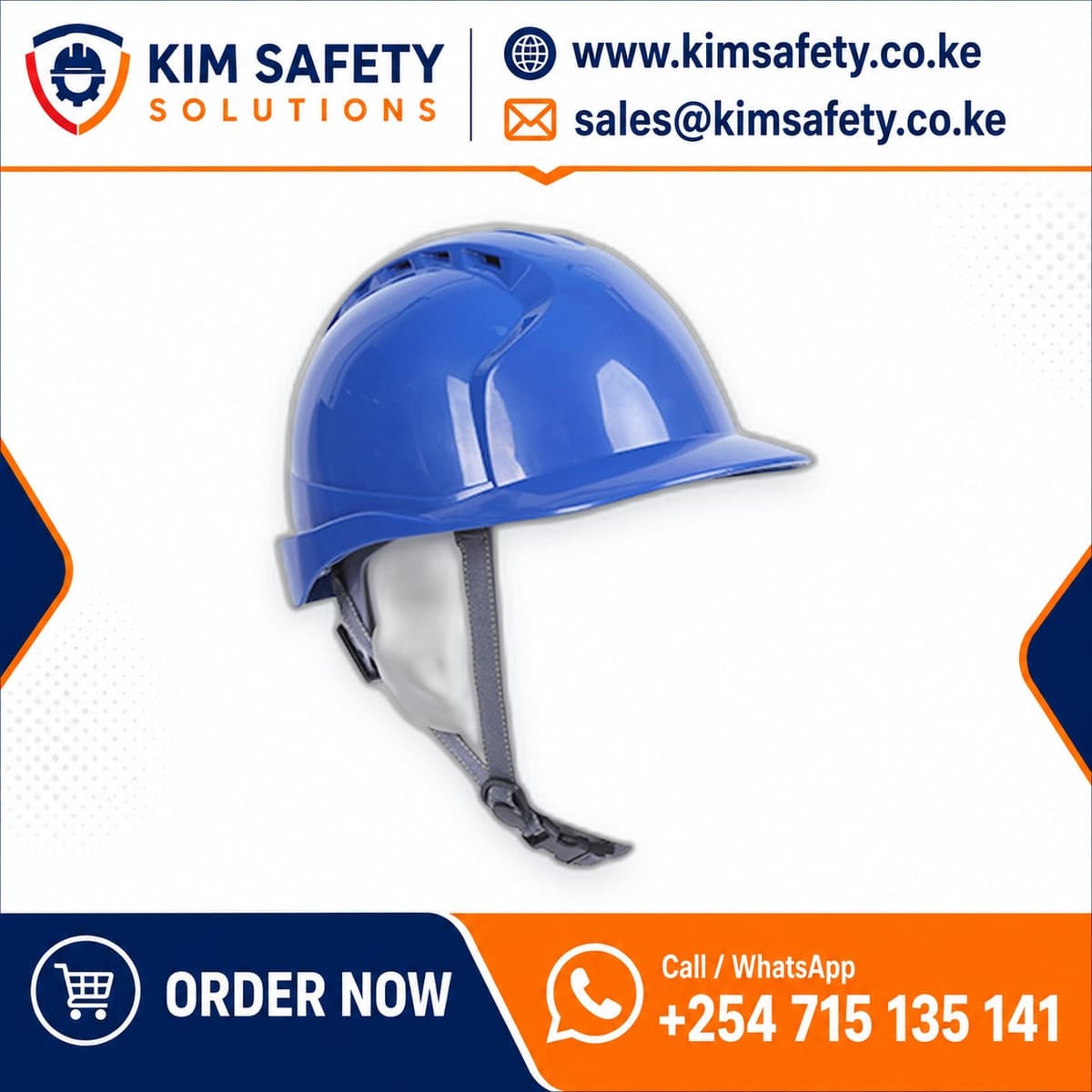
EN 397 vs ANSI Type I and II, shell materials, suspension systems, expiry rules and the inspection points that DOSHS and site inspectors check on helmets.
Safety helmets save lives on Kenyan construction sites every day — and counterfeit or expired helmets claim them. Choosing a helmet is a 15-minute decision with a decade-long consequence. Here is how to do it properly.
Step 1: Check the standard
Demand helmets tested to a recognised standard:
- EN 397 — the European industrial helmet standard: impact, penetration, flame resistance and electrical performance.
- ANSI/ISEA Z89.1 Type I — protects against vertical impact only.
- ANSI Z89.1 Type II — adds lateral (side) impact protection.
The standard mark should be moulded into the shell or printed on a permanent label. No mark? No purchase. The 3M Vanguard helmet and other major brands print their certification directly on the shell.
Step 2: Choose the right shell material
- HDPE (high-density polyethylene) — the affordable workhorse; tough, UV-resistant, good for most sites.
- ABS — strong, with better resistance to chemicals and solvents; slightly heavier.
- Fibreglass composite — best electrical insulation and heat resistance; used for electrical and foundry work.
- Polycarbonate — lightweight and impact-resistant; premium option.
Step 3: Understand suspension and classes
The suspension (the cradle inside) absorbs impact energy — it is as important as the shell. Check for:
- Adjustable headband with a clear size range (typically 52–62 cm).
- Easy-height adjustment (pin-lock or ratchet).
- Chin strap option for tasks with leaning or inverted work.
- Ventilation for Kenyan heat, without compromising the standard.
For electrical work, choose helmets tested to the relevant electrical class. Add accessories when needed: face shields, ear muffs and helmet-mounted lamp brackets must be approved for the helmet model.
Step 4: Fit it correctly
Fit determines protection:
- The helmet should sit level, roughly one finger-width above the eyebrows.
- It should not move when you shake your head.
- The chin strap, where fitted, must be snug.
- Wear it at all times in the designated area — not on the back of the head or the passenger seat.
Expiry and replacement rules
Helmets have a service life — usually 2–5 years from manufacture depending on material and exposure. Replace immediately after:
- Any significant impact (even if no crack is visible).
- Visible cracks, dents, or deep scratches.
- UV discolouration or chalky texture.
- Chemical or paint damage.
- Deteriorated suspension (torn cradle, cracked adjuster).
Never paint, drill or solvent-clean a helmet shell — this voids its certification.
Buying tips for Kenyan buyers
- Buy branded helmets from authorised stockists with certification documents per batch.
- Store helmets out of direct sunlight between shifts.
- Keep one spare per 10 helmets for visitors and replacements.
- Record batch numbers for traceability in audits.
Browse certified industrial safety helmets from 3M, MSA, Karam and Delta Plus, or request site-wide pricing.