How to buy certified PPE in Kenya in 2026 — standards, certification checks, sizing, bulk pricing and where counterfeit gear hides. Everything a procurement officer or safety manager needs before placing an order.
Kenya's construction, manufacturing and healthcare sectors are growing fast — and so is the demand for certified personal protective equipment (PPE). But buying PPE in Kenya is not as simple as picking the cheapest pair of gloves. Counterfeit products, expired certifications and wrong sizing cost businesses millions in fines and, far worse, put workers at risk.
This guide walks procurement officers, HSE managers and business owners through every step of buying PPE in Kenya in 2026 — from understanding the law to verifying certification and negotiating bulk pricing.
What Kenyan law requires of you
The Occupational Safety and Health Act, 2007 (OSH Act) is the foundation. Under Section 6, every employer must provide suitable protective equipment to employees free of charge, and ensure it is properly used and maintained. The Workplace Injury and Benefits Act, 2007 adds financial teeth: employers who fail to protect workers can be liable for compensation claims.
The Directorate of Occupational Safety and Health Services (DOSHS) enforces these laws. In practice, inspectors check:
- That PPE is provided and replaced at no cost to the worker.
- That equipment carries recognised certification marks (KEBS, CE, EN, ANSI).
- That training on correct use and fit has been given.
- That inspection and replacement records are maintained.
The certification pyramid: what actually proves quality
Not all marks are equal. In Kenya, the hierarchy looks like this:
- KEBS standardisation mark — the local gold standard for products manufactured in or imported into Kenya.
- CE marking — indicates conformity with European health and safety directives (mandatory for PPE sold in the EU).
- EN standards — the technical test standards themselves, e.g. EN 397 for helmets, EN 388 for gloves, EN 166 for goggles.
- ANSI/ISEA — American equivalent standards, common on imported gear.
A genuine product will usually list its test standard on the product itself or its packaging. If you cannot find a standard number anywhere — treat it as a red flag.
Matching PPE to the hazard, not the budget
The best procurement starts with a hazard assessment, not a price list. A quick rule of thumb:
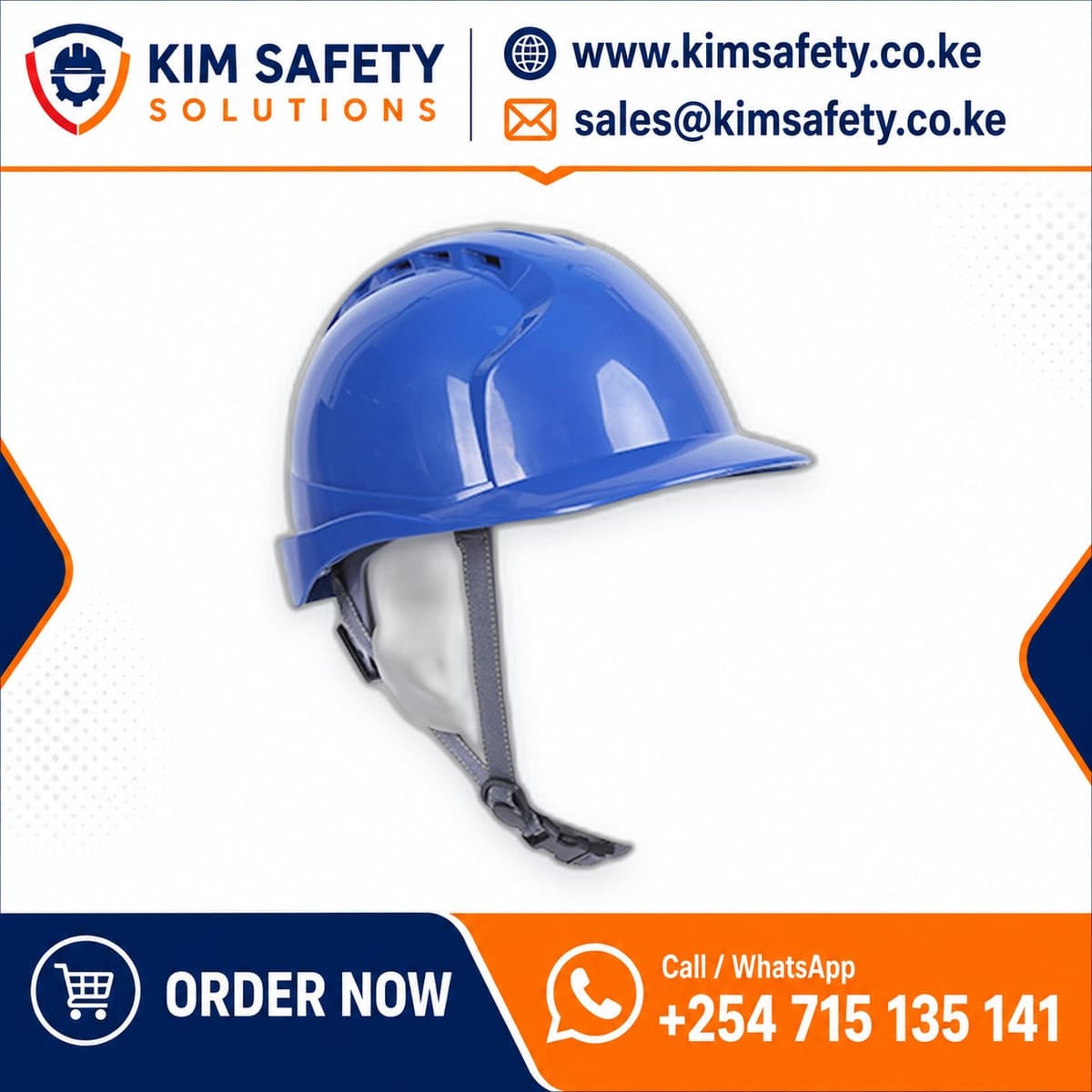
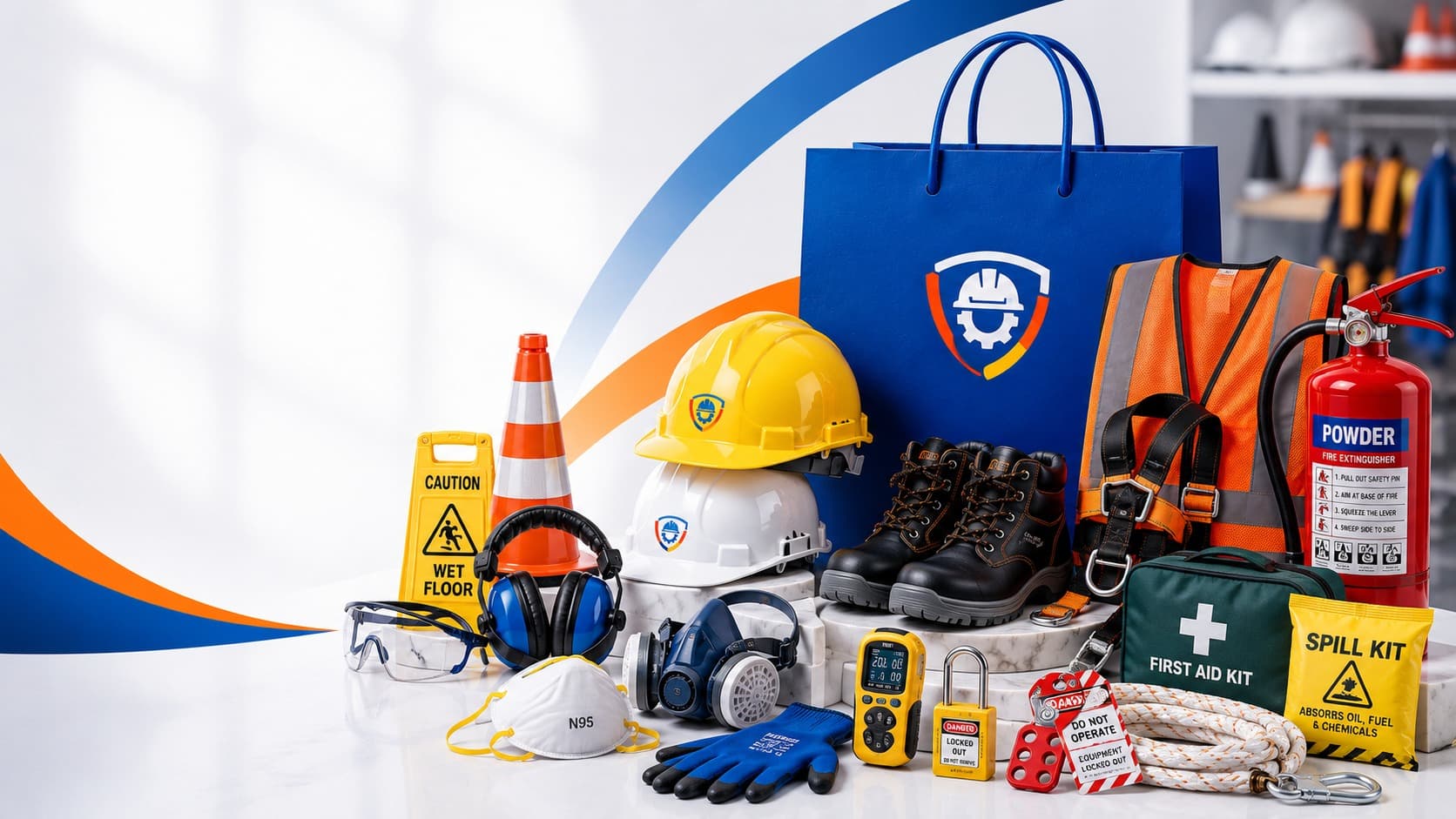
- Impact and falling objects → certified safety helmets (EN 397).
- Chemical splash → goggles or face shields (EN 166).
- Dust, fumes and gases → respirators with the correct filter rating.
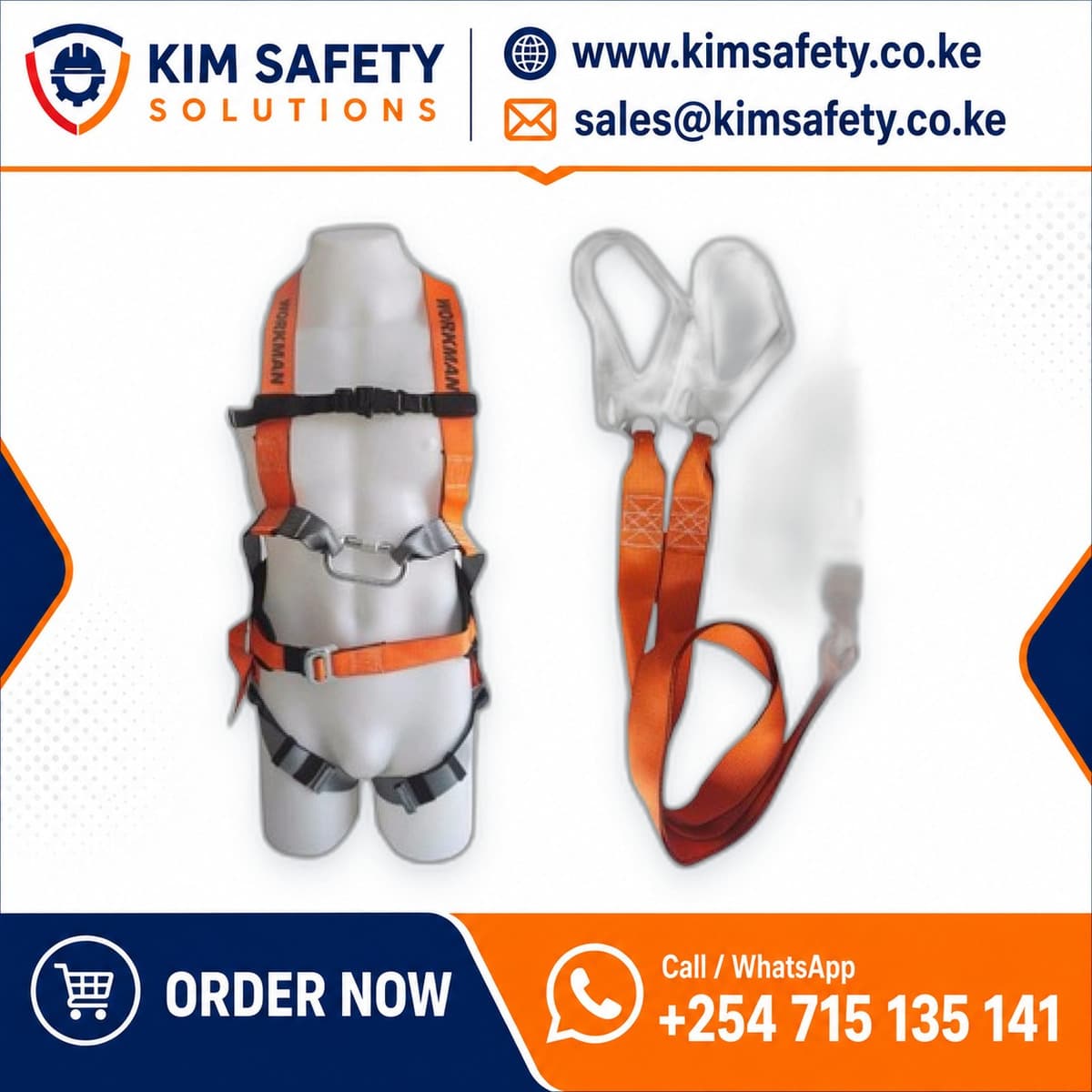
- Falls from height → full-body harnesses, lanyards and anchor points (EN 361).
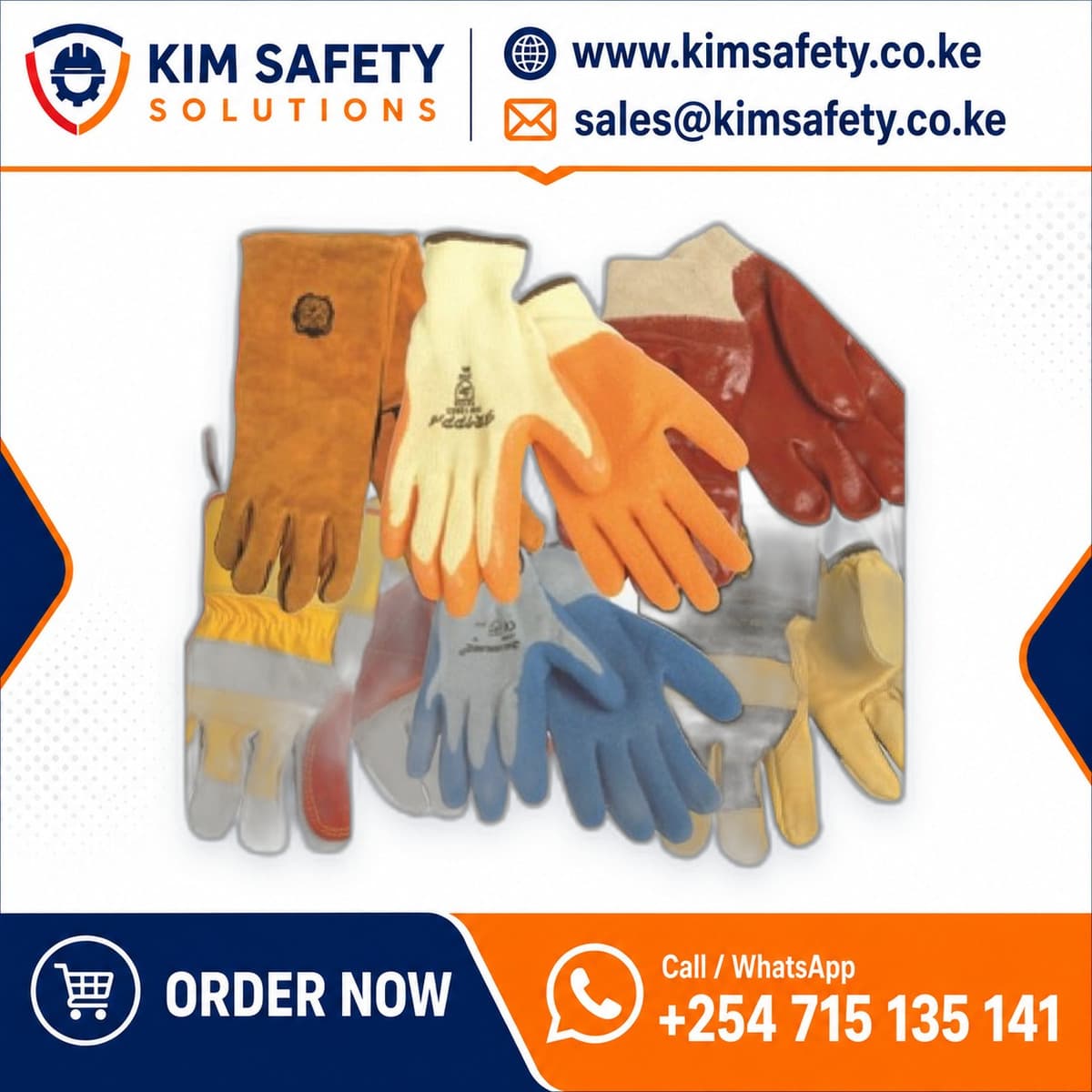
- Cuts and abrasions → cut-resistant gloves (EN 388).
- Noise above 85 dB → hearing protection with adequate SNR.
You can find a full mapping in our PPE Selection by Industry matrix.
Why sizing and fit matter more than the label
PPE that does not fit is PPE that does not protect. A loose helmet shifts on impact. A baggy harness can cause a worker to slip out during a fall. Buy from suppliers who stock full size ranges and, ideally, who will help with fitting. For items like respirators, a proper seal test is essential — see our guide on working at height and respiratory protection for the details.
Bulk buying: the smart way to cut costs
Volume pricing is where Kenyan organisations save the most. Most suppliers — KimSafety included — work in tiers:
- 1–9 units: standard retail pricing.
- 10–49 units: modest discount (around 5%).
- 50–199 units: 9%+ discount.
- 200+ units: negotiable rates, sometimes beyond 13%.
For government agencies, hospitals and contractors, request a formal corporate quotation — you get negotiated rates plus tender-ready documentation, tax invoices and delivery scheduling across all 47 counties.
Checklist before you buy
- Has the supplier provided certification documents for this batch?
- Is the standard number printed on the product or packaging?
- Does the supplier hold stock in Kenya (no long import lead times)?
- Is a warranty or replacement policy offered?
- Can the supplier deliver and, if needed, train your team?
Where to start
Browse the certified range at KimSafety's shop — every product page lists its standards, stock levels and honest pricing. And when you are ready to buy in volume, request a quotation and our corporate desk will respond within 4 business hours.